

← All Workflows

Announce every release with a changelog card

Tag a release, fire a webhook, and a branded ship graphic lands in your Slack.

See all workflows
Trigger1Incoming webhookRun when an external service posts data.
Source2Webhook payloadUse rows from the incoming webhook body.
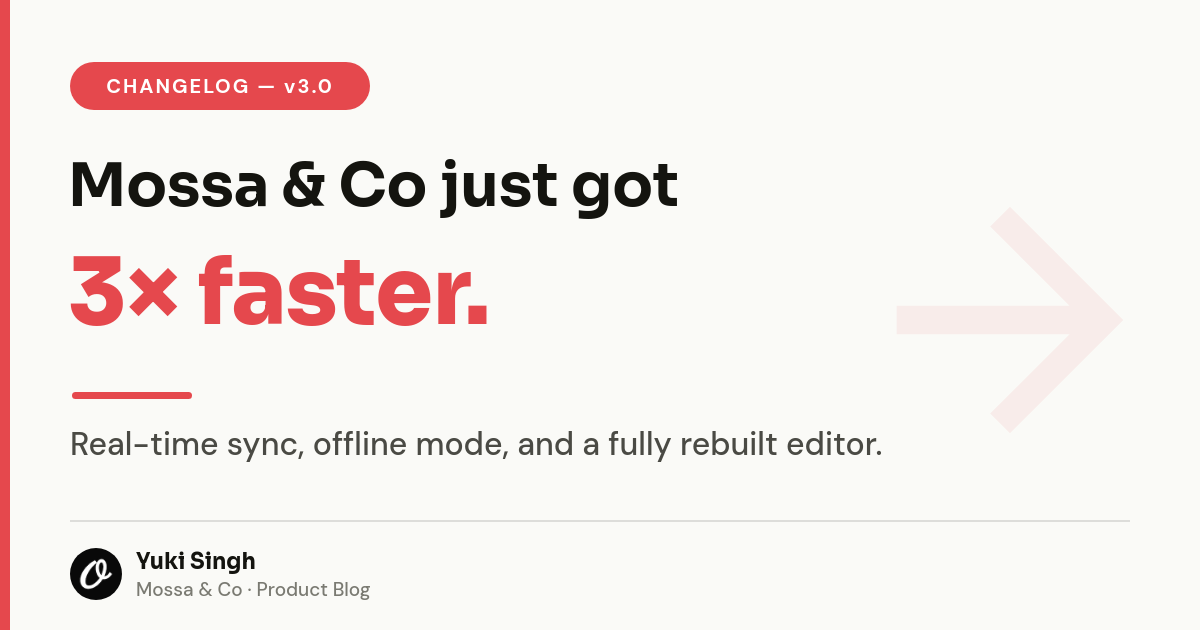
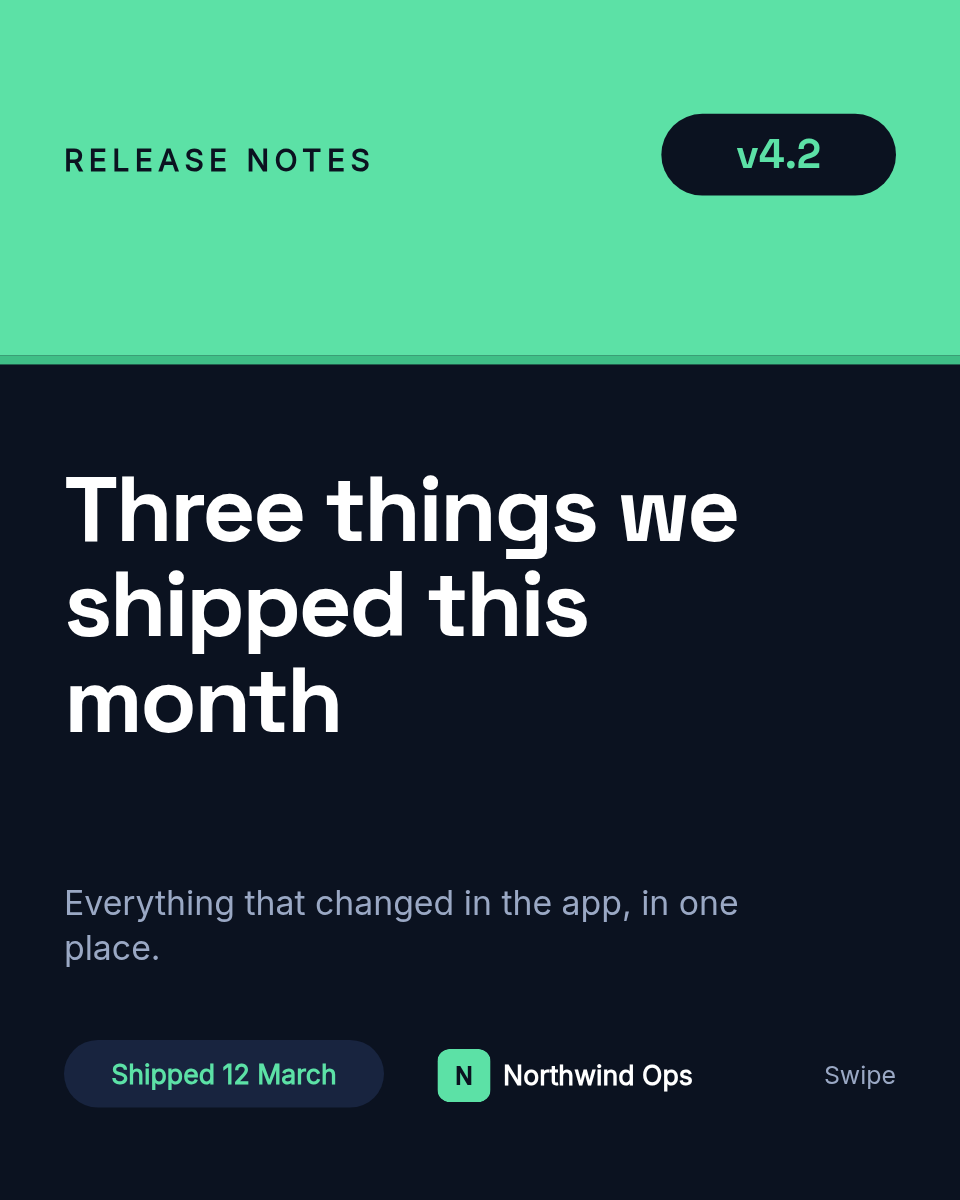
Render3Light-Minimal Changelog OG Cover — Sora Bold Claim with Red Accent & BylineExample template. Swap in your own design.
Destination4SlackPost renders to a Slack channel.

Every release, announced without a screenshot

Releases ship, and the announcement is an afterthought. Someone screenshots the changelog, pastes it into Slack, and half the time skips it entirely. This workflow makes the announcement part of the release itself. Tag a version, and a designed changelog card shows up in Slack before anyone asks what changed.

Who ships with this

Engineering teams
A card in the team channel on every deploy, fired from the CI job that already runs.
Product and DevRel
A consistent changelog format that is ready to reshare with customers, not a raw diff.
Internal tooling owners
Release notes that land where the team already looks, so nobody misses a change.
Developer-first products
Polished release cards that double as social posts when you want to show progress publicly.

Wire it into your release step

  1. Tag a release. Cut a version the way you already do, in GitHub, GitLab, or your deploy script.
  2. CI fires a webhook. Your pipeline POSTs the version and a short summary of what shipped to the workflow webhook.
  3. A card is rendered. Orshot reads the payload and renders a changelog card from your template, filling in the version and notes.
  4. It posts to your Slack. The finished card drops into the channel you connected, so the whole team sees what shipped.

Set it up once and every release announces itself, in the same clean format, without a single screenshot.

How it works, step by step

  1. Design a changelog card

    Build a card template in the studio with placeholders for the version number and the release notes.

  2. Add a webhook to your pipeline

    In your CI or release step, POST to the workflow webhook once a release is tagged.

  3. Send the version and notes

    Include the version and a short summary in the payload so the card fills itself in.

  4. Let it post to Slack

    The workflow renders the card and drops it into your chosen Slack channel automatically.

Integrations in this workflow

Connect these apps once and the workflow moves your data through them automatically.

Frequently asked

How do I announce a release in Slack automatically?

Add a webhook step to your release pipeline. When a release is tagged, your CI POSTs the version and notes to the workflow, Orshot renders a changelog card, and it posts to your Slack channel with no manual step.

What does the webhook payload need?

The version number and a short summary of what shipped are enough. Those map to placeholders on the card, so the design stays consistent while the content comes from your release.

Can I trigger it from GitHub Actions or another CI?

Yes. Any tool that can send an HTTP POST can fire the webhook, so a GitHub Actions job, a GitLab pipeline, or a deploy script all work the same way.

Which Slack channel does the card land in?

The one you connect in the workflow. Point it at a public changelog channel, a team channel, or a customer-facing space, and every release card goes there.

Do I have to write the card each time?

No. You design the template once. Each release only supplies the version and notes, so a fresh card renders itself on every ship.